AI evaluates wood grain designs
based on a dataset of over 30,000 entries!

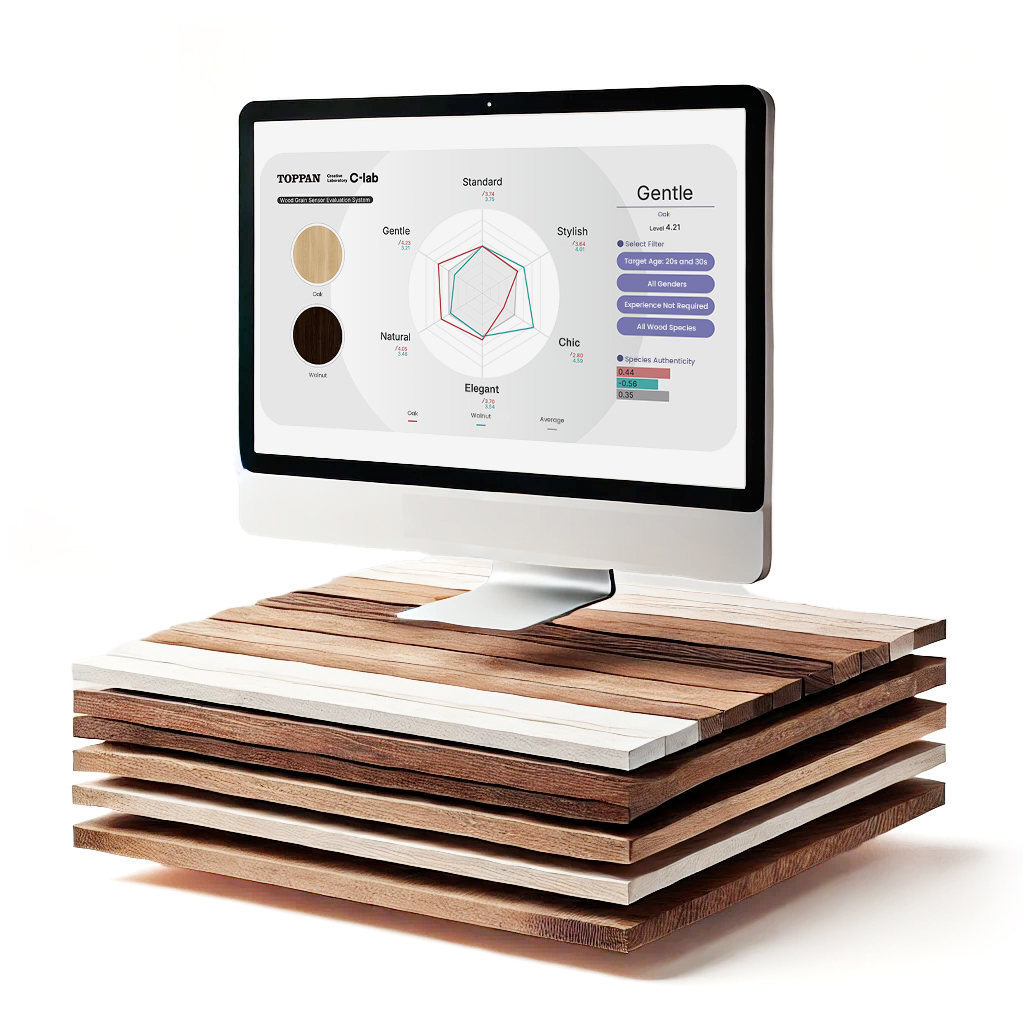
Let AI evaluate your wood grain designs!
Get instant evaluations just by uploading an image.
Easily identify the wood grain patterns that end-users love.

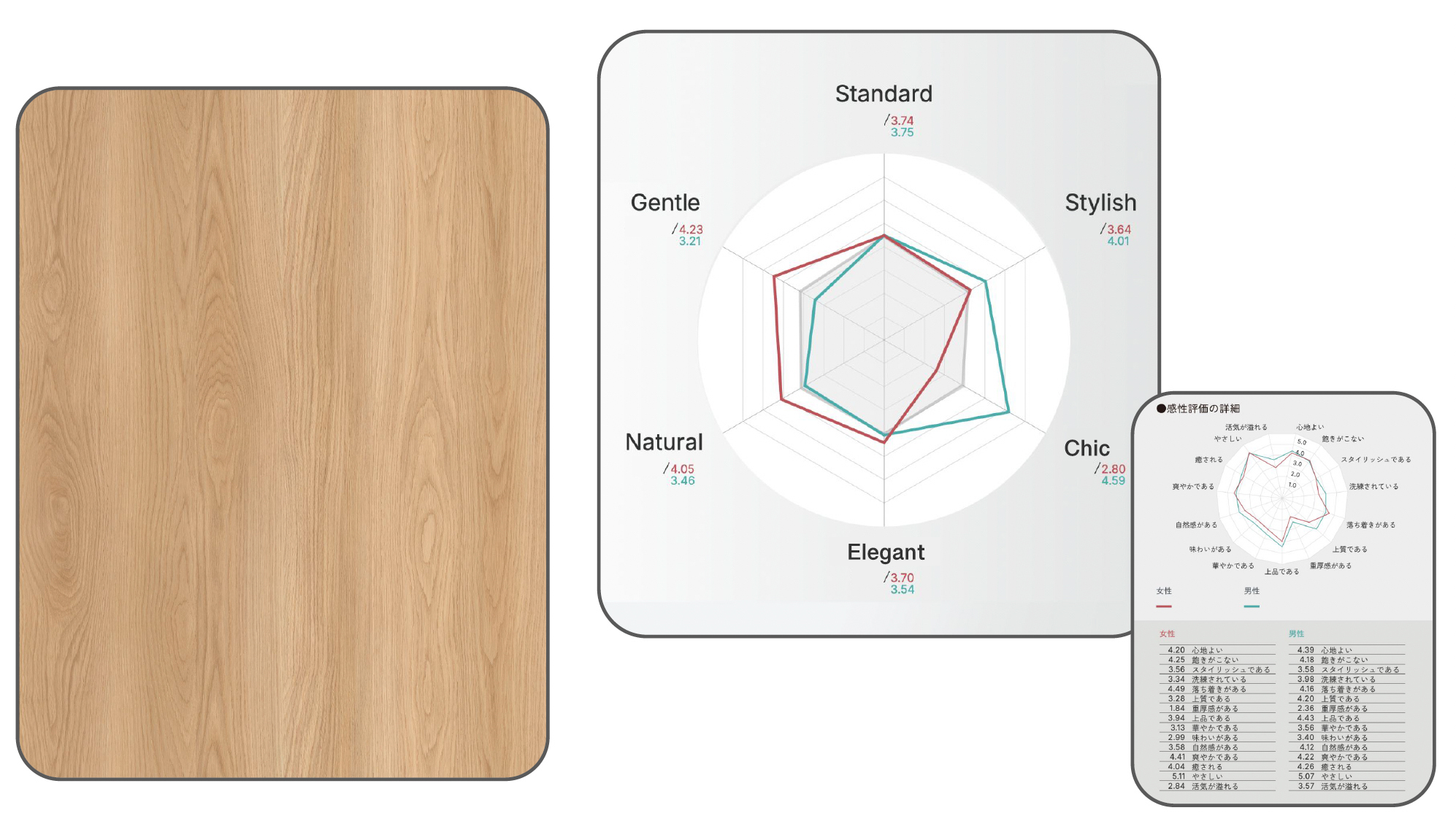
Because wood grain is a natural element, it’s hard to quantify its beauty, making it difficult to convey the true value of your products to customers.

It is difficult to gather feedback from users after a space is completed, leaving you without a clear understanding of how they truly feel.

Subjective tastes vary among project team members, making it difficult to reach a consensus without a consistent benchmark.

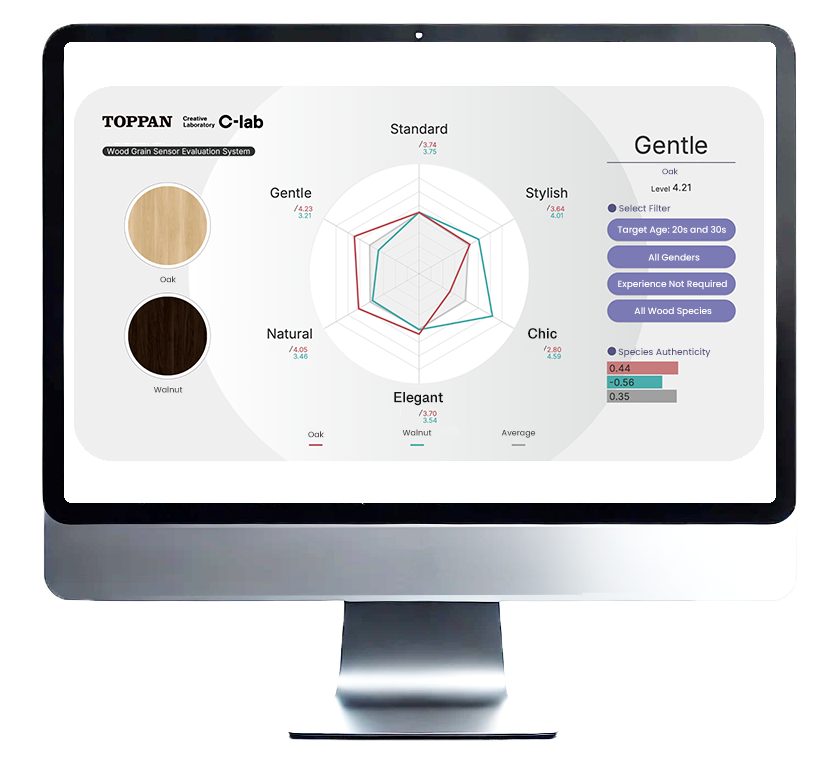
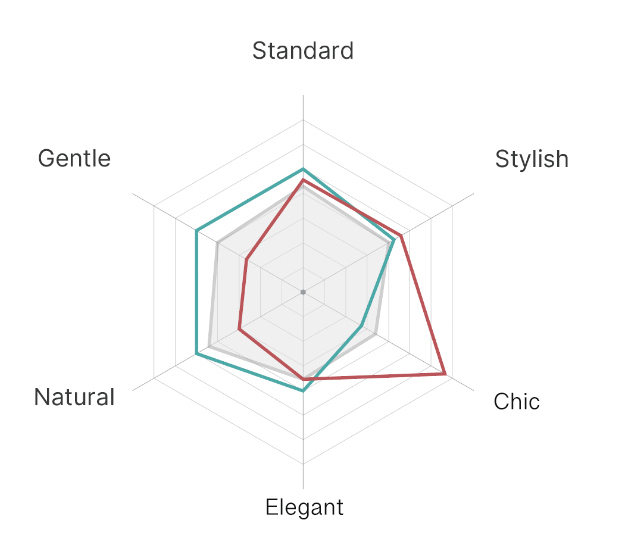
Complex wood grain sensory evaluations are classified and quantified into six distinct groups: “Standard”, “Stylish”, “Luxe”, “Gorgeous”, “Natural” and “Gentle”. This allows you to instantly determine the specific aesthetic profile of any wood grain pattern.
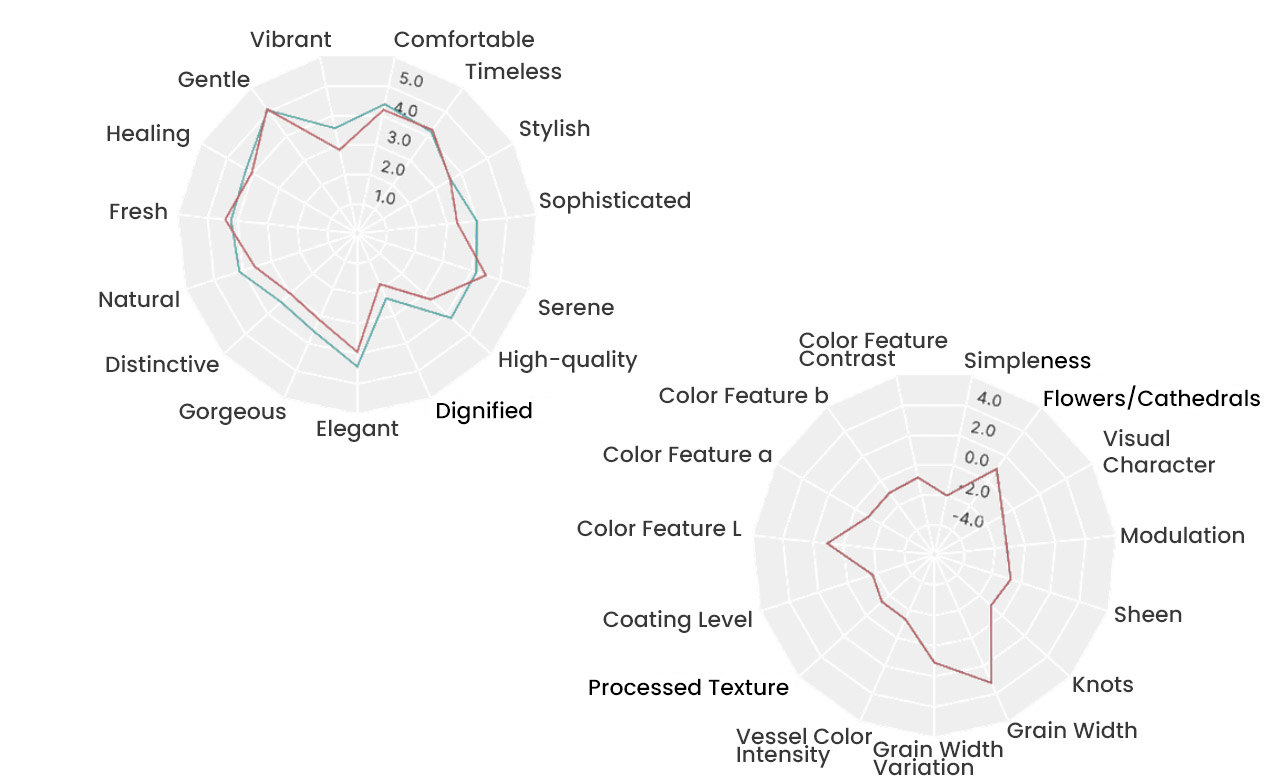
The system estimates 15 essential aesthetic items, such as "Comfortable," "Stylish," and "Substantial (Premium feel)." Furthermore, it quantifies 16 specific wood grain features—including the balance of flat/quarter-sawn grain and the prominence of knots—providing a clear benchmark for design adjustments during the development process.
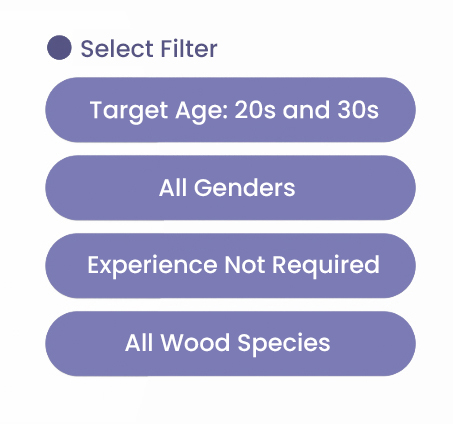
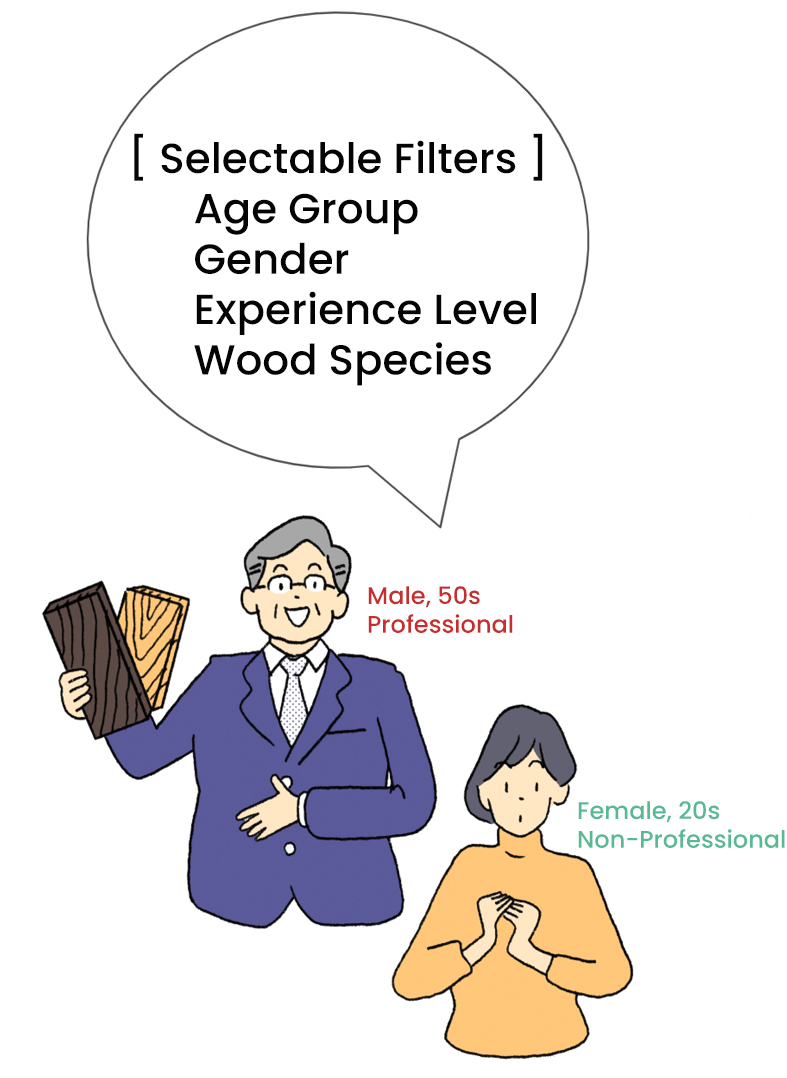
Developed using extensive evaluation data from a wide range of subjects, our system can predict preferences based on various demographics. You can estimate evaluations not only by age and gender but also by expertise, distinguishing between "Industry Professionals" with deep experience and "General Users" with fresh perspectives.
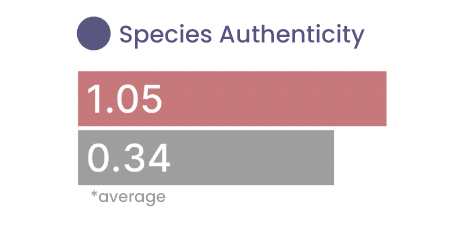
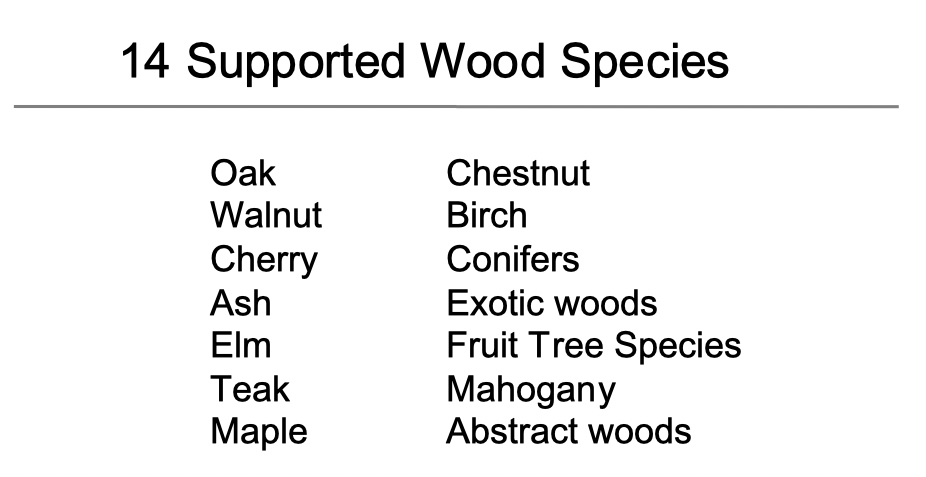
By training our AI with a vast dataset that pairs wood grain images with their specific botanical species, the system can now determine how well a design captures the authentic essence of a wood species. You can assess whether a pattern truly reflects the natural character and unique charm inherent to its specific tree type.
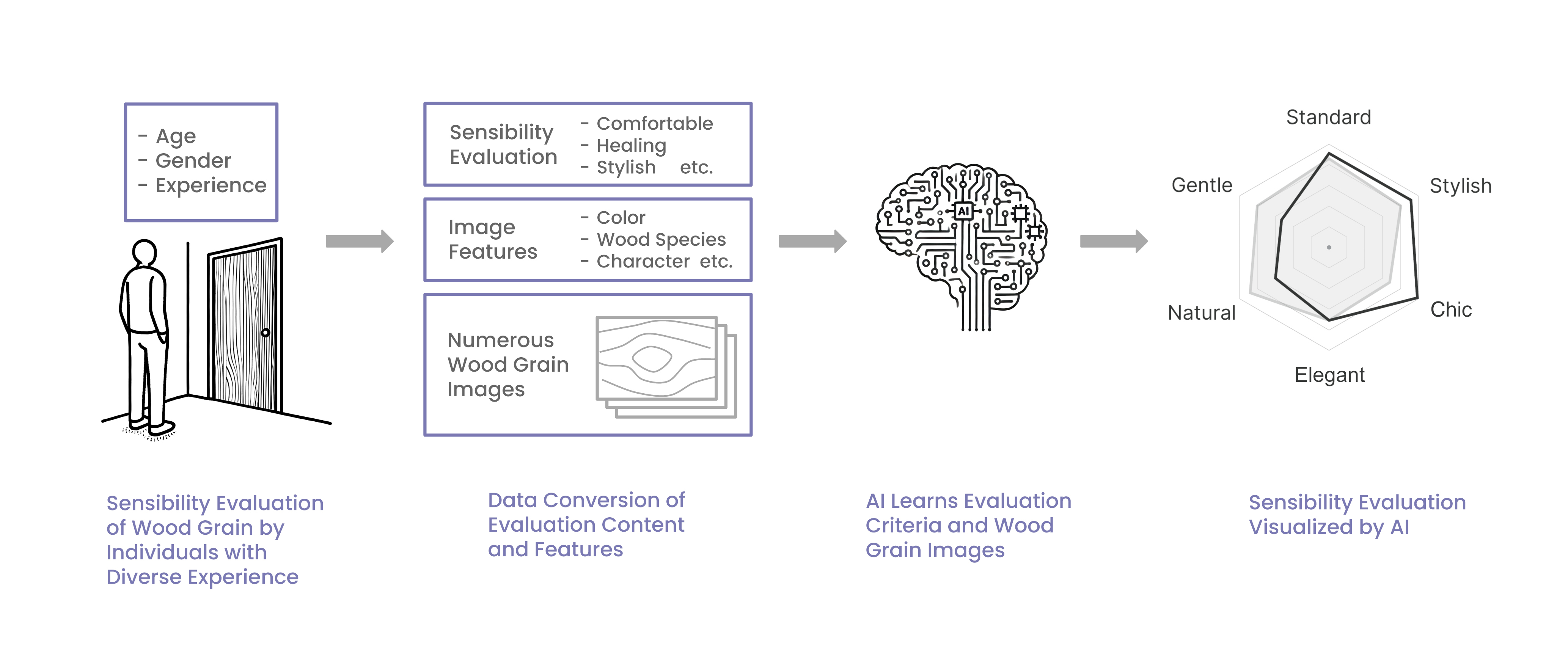
We developed a sophisticated algorithm to predict aesthetic evaluations by collecting over 2,000 wood grain images and training our AI on both aesthetic sensibilities and structural features. By incorporating a database of more than 30,000 evaluation data points, we have achieved a high-precision system for predicting human perception.
