
DESIGN & TREND
What Does It Mean to Be “Chosen” in the Age of Swipe Consumption?
2026/06/12
Before we know it, we spend each day seemingly looking at enormous amounts of information―while actually skimming past most of it.
Social media timelines, news apps, video streaming platforms. With just a slight movement of the finger, the next piece of information, the next image, the next stimulus appears.
This is the era of what we might call “swipe consumption.”
In this environment, it is no exaggeration to say that products, services, and information of all kinds are being filtered out before they are ever carefully compared.
So what does it mean to be “chosen” in an age like this?
It’s Not That Information Isn’t Reaching People―It Just Doesn’t Make Them Stop
People often say we live in an age when “information no longer reaches people.” But that is not quite accurate. In fact, information is reaching people more than ever before.
The problem is that it rarely makes them stop.
It catches their eye―but doesn’t stay in their memory. It seems to have been read―but it hasn’t truly been understood.
And this is not just a BtoC issue. In BtoB fields such as building materials, housing equipment, and house builders, the following are being consumed in much the same “swipe-like” way:
- Websites
- Product information
- Case studies / project examples
- Catalog PDFs
In other words, the era when “if you make something good, people will understand its value” is over. The first hurdle now is whether you can "make people pause".
Three Changes Happening Under Swipe Consumption
In this changing environment, users are undergoing three major shifts.
1. Decisions are becoming faster
Before people even begin to consider whether something is good or bad, they instantly judge whether it feels personally relevant.
- It looks complicated
- It probably has nothing to do with me
- I don’t need this right now
The moment they feel that, they swipe away.
2. People seek not the right answer, but something that feels right to them
Because there is simply too much information, people are becoming exhausted from trying to find the single correct answer.
What they want instead is an explanation that makes sense to them personally.
This is especially evident in choosing homes or building materials. Specs and performance comparisons alone do not move decision-making forward. Choice only begins when people understand why something is right for them.
3. People want to feel that they chose for themselves
Precisely because we live in the age of swipe consumption, people are less satisfied with things they feel they chose passively or were simply led into choosing.
They want to feel:
- I thought this through myself
- I realized this for myself
- I chose this for myself
Whether or not that feeling exists has a major impact on satisfaction after the decision is made.
To Be Chosen Is Not the Same as Standing Out
When people hear “swipe consumption,” they often assume that the answer is simple: stand out no matter what, use bold visuals, be flashy.
But in reality, standing out does not automatically mean being chosen.
In fact, content is more likely to be swiped away quickly when it is:
- Too stimulating
- Too dense with information
- Too one-sided in its message
What the things that do get chosen have in common is a quiet sense of connection to the user’s own situation.
People stop when a question arises
People do not stop scrolling simply because information is presented to them. They stop when it sparks a question.
- What would this mean in my case?
- Could this apply to our situation?
- Maybe this is a perspective I hadn’t considered before
The moment this brief sense of reflection appears, people become not just viewers, but true readers of the information in front of them.
Effective Approaches in the Age of Swipe Consumption: Assessments, Questions, and Space to Think
In this context, one approach that has been gaining renewed attention is information design built around assessment-style content and thoughtful questions.
Assessment content works because it offers three things:
- It feels personally relevant
- It is easy to move through without much effort
- It returns a result tailored to the individual
In that sense, it acts as a device that interrupts the flow of swipe consumption and brings people back to their own thinking.
This is especially effective in fields such as housing, building materials, and spatial design. The moment information includes the perspective of “What does this mean for you?, it shifts from being mere explanation to becoming something people can actually use to make decisions.
How TOPPAN Designs to Be Chosen

TOPPAN place greater importance not on how to show something, but on how to get people thinking.
- Organizing the structure of values through research data
- Visualizing sensibilities and preferences
- Encouraging thought through assessments and questions
All of these are ways of designing for a moment of pause in the age of swipe consumption.
To be chosen does not mean getting someone to decide instantly. It means making them feel that something is worth taking the time to think about.
To Be Chosen Means to Stay Close
In the age of swipe consumption, strong words and excessive claims often create distance rather than connection.
What is needed is a sense of distance that is just right:
- Don’t force
- Don’t presume
- But don’t leave people on their own, either
It is information offered quietly, in a way that says:
“In your case, this may be one way to think about it.”
That is the kind of information that makes people stop―and choose.
Rethinking What It Means to Be Chosen
Looking toward 2027, information will only continue to increase, and the speed of swiping will only accelerate.
What will matter is not how much we say, but how effectively we create opportunities for people to think.
In the age of swipe consumption, to be chosen does not mean standing out or pushing people to act quickly.
It means creating space for thought and offering an experience that lets people feel, “I chose this myself.”
That may well be the true essence of communication going forward.
RECOMMENDATION
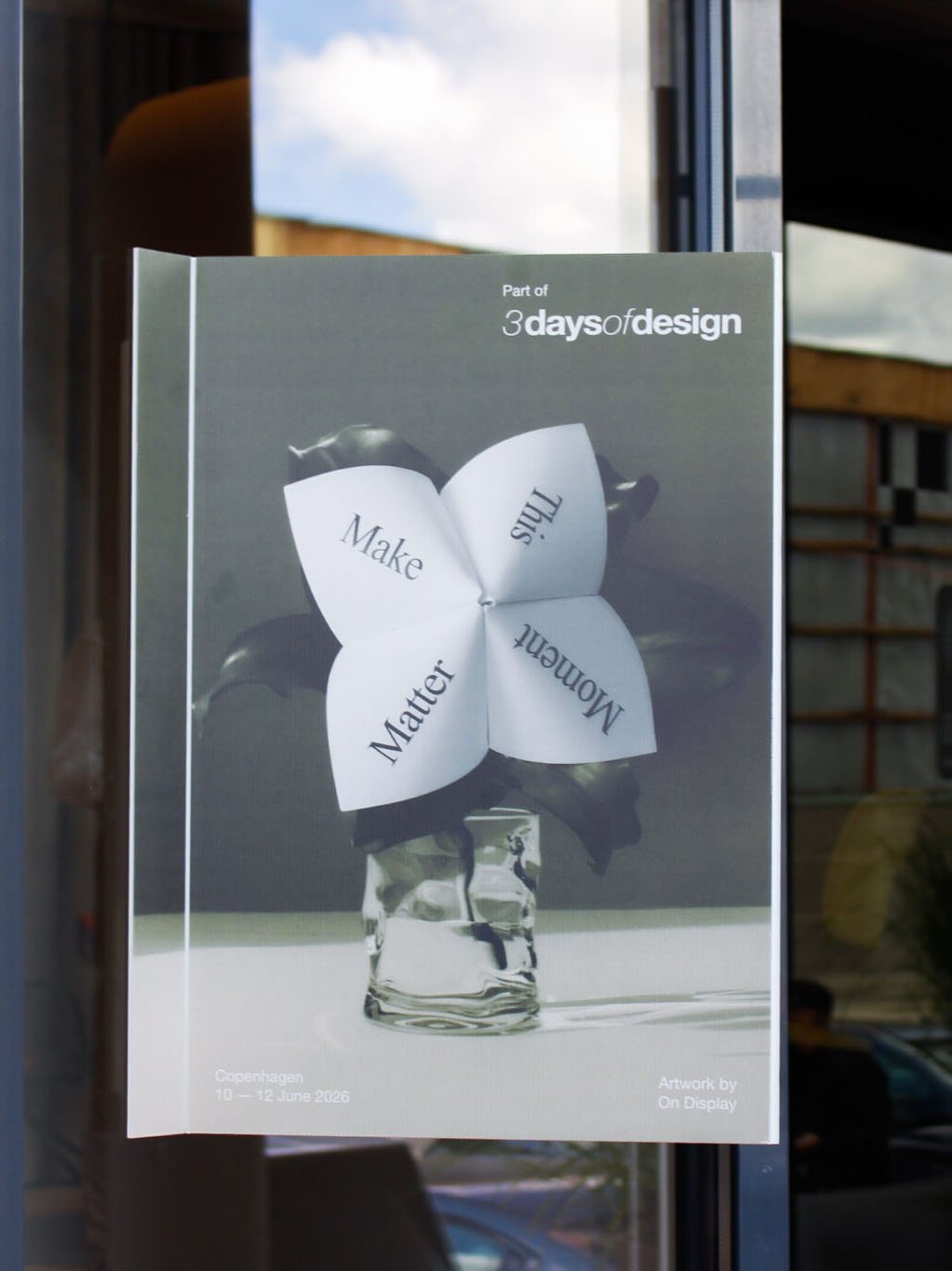
3daysofdesign 2026 Report | Design Beyond “Newness”: Towards Layering Value

Milan Salone 2026 CMF | Quiet Depth Orchestrated by Materials
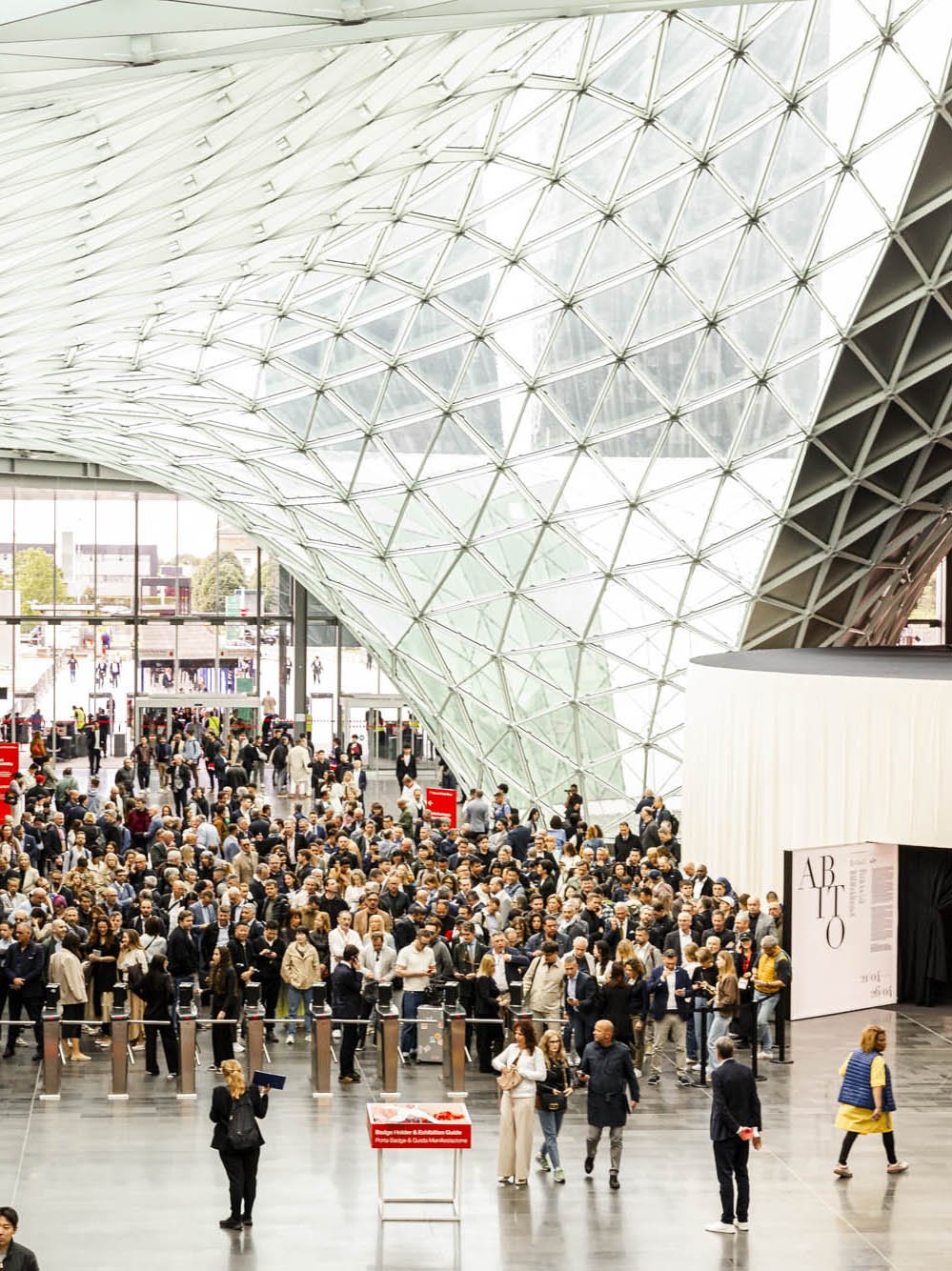
Milan Salone 2026 Flash Report | "Luxury of Silence" Sought in a Confusing World
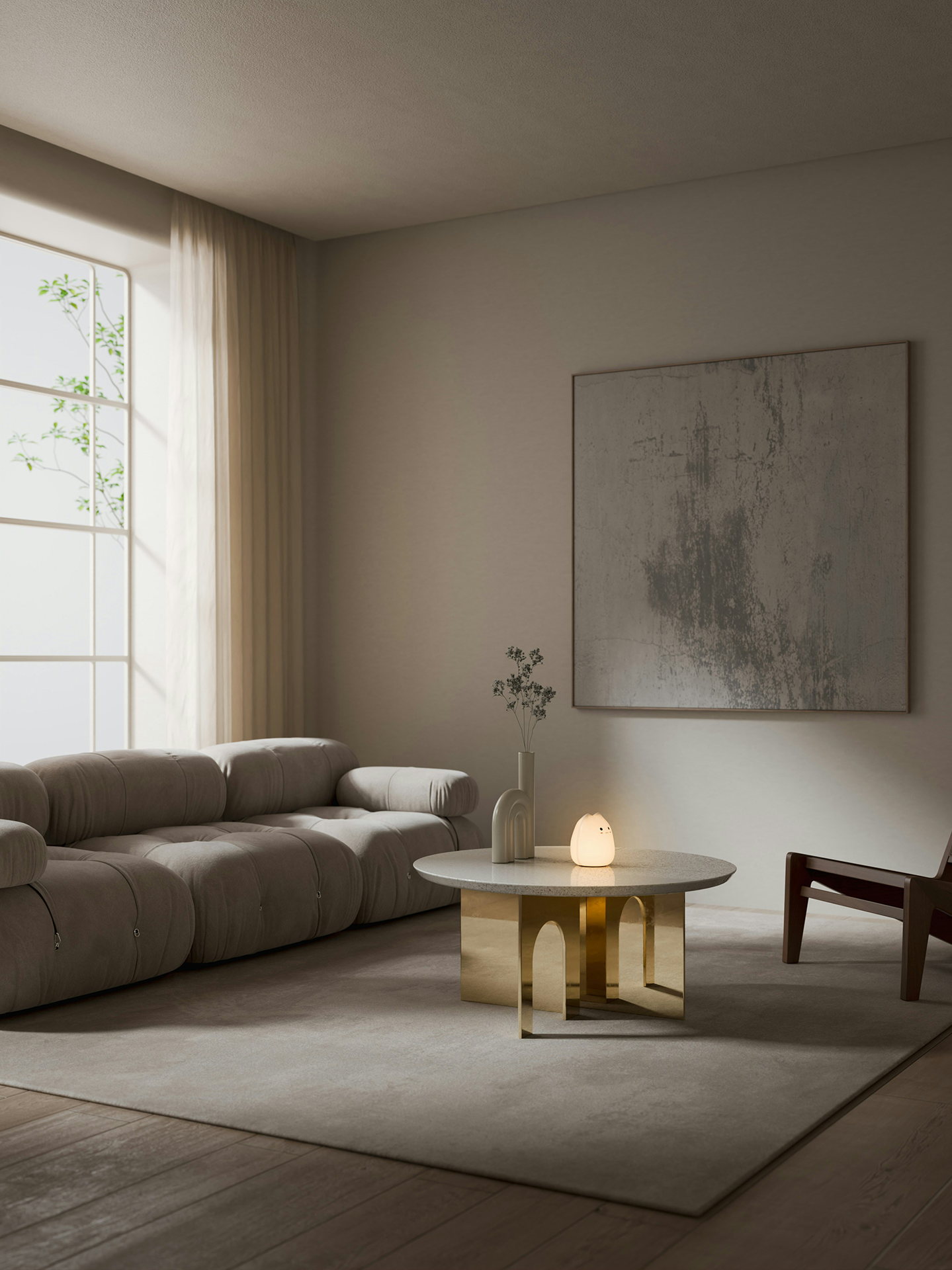
2026-2027 Lifestyle & Interior Design Forecast: Navigating Diverse Values and the Future of Living
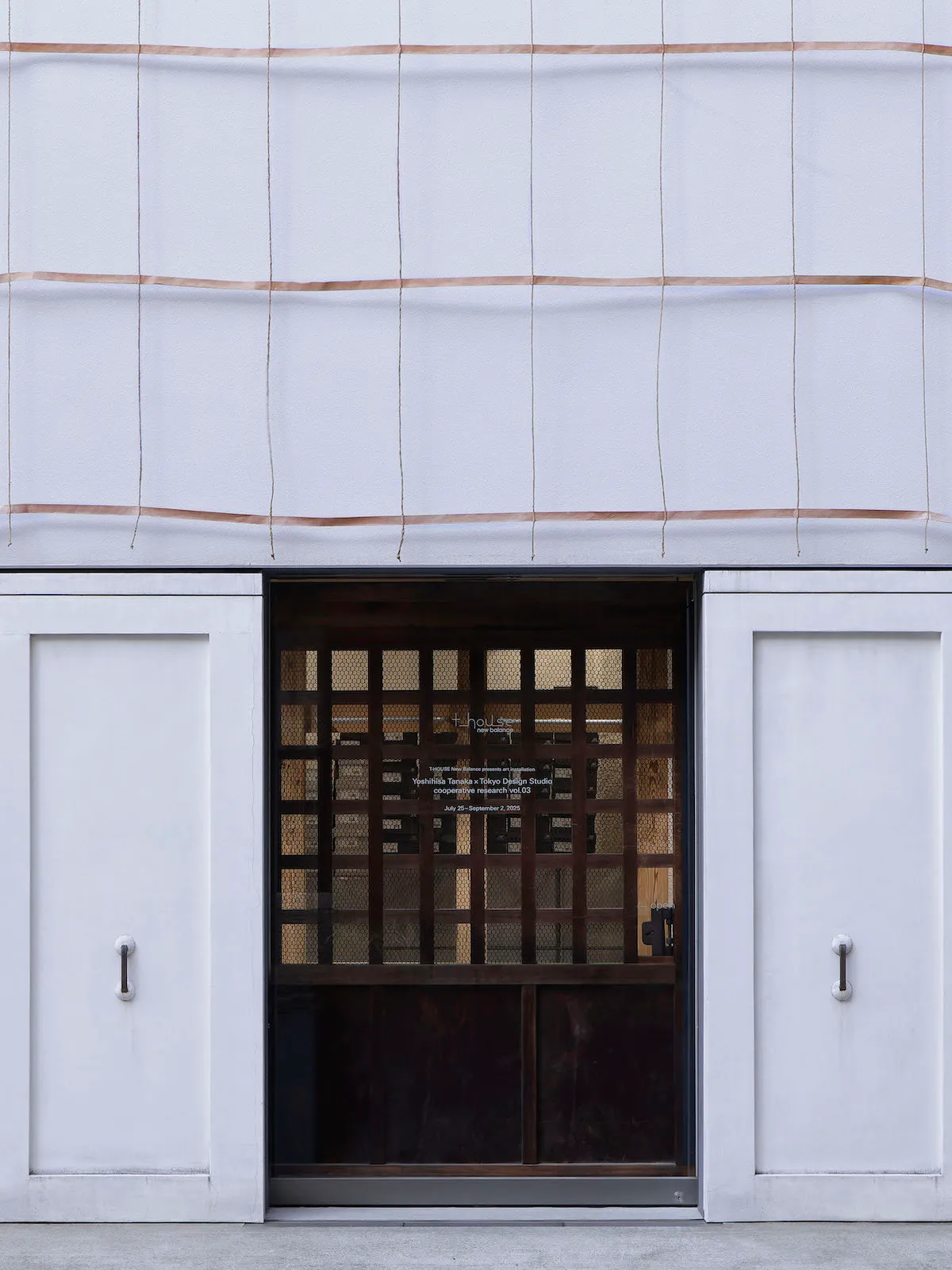
Material Trial 2: Washi Opens a New Cycle in Sustainable Design − Upcycling Footwear Scraps with TOPPAN and New Balance

Milan Salone 2025: A Return to the Core of Design − Fumie Shibata, Piero Lissoni, and Nicholas Baker on the Future of Living
CERSAIE 2024 Trend Report
Cersaie 2023 Report

